Biodiversity and resilient ecosystems explained

Biodiversity is the foundation of all life on Earth. The interaction between thousands of species of plants, animals and ecosystems keeps our environment healthy, nourishing and resilient. Yet biodiversity is declining rapidly across the world. Through human activities – from pollution and deforestation to climate change and the spread of invasive species – nature is losing its balance. How can we turn the tide?
4 questions about biodiversity and resilient ecosystems
What is biodiversity?
Biodiversity can be described simply as the variety of life – from the bacteria in a drop of pond water to the birds in a forest, from marine life in the ocean to the ecosystems of the planet as a whole. Biodiversity encompasses all species of plants, animals and micro-organisms, but also the immense genetic variation within those species and the diversity of ecosystems of which they are part – from grasslands to wetlands, from rivers to oceans and from forests to urban areas. It therefore covers far more than just flowers, bees, trees, corals and charismatic animals. The concept includes the total network of living organisms and the ecosystems in which they exist – and the interactions between them.
Source: United Nations Foundation: Biodiversity Explained: Facts, Myths, and the Race to Protect It

What is an ecosystem?
An ecosystem is the entirety of living organisms (plants, animals and micro-organisms) and their environment (such as water, air and soil). Everything within such a living network is interconnected: organisms influence their environment, and the environment in turn influences them. For example, trees help the soil retain moisture and stay cool, while the soil determines whether those trees receive enough nutrients and water to grow.
An ecosystem with high biodiversity functions well and is resilient: it can withstand shocks. The many different species each play their own role within the system – from retaining water and decomposing organic matter to pollinating plants – keeping the ecosystem in balance.

Why is it important to preserve biodiversity and resilient ecosystems?
Biodiversity and resilient ecosystems are the foundation of a healthy existence. They are essential for the ecosystem services that nature provides to people. These include tangible products such as food, drinking water and raw materials, as well as regulating services such as water purification, buffers against climate disruptions and pollination. Ecosystems also provide cultural services, such as recreation, aesthetic value and spiritual enrichment.
The multiple value of biodiversity
Biodiversity represents a wide range of values. Its intrinsic value refers to the existence of nature, independent of human use – species and ecosystems have a right to exist. Its instrumental value lies in its vital contribution to daily life: food production, clean water, oxygen, raw materials and medicines all depend on living nature. Finally, biodiversity has a relational value: nature is woven into our culture, identity and wellbeing. Green landscapes, forests and coasts offer relaxation, inspiration and a sense of connection. Together, these values underline that biodiversity is indispensable for both ecological and societal stability.
Biodiversity and climate
The greater the biodiversity, the more resilient ecosystems are to climate disruptions. Healthy ecosystems have the capacity to absorb and recover from climate-related hazards such as droughts, floods or storms. At the same time, climate change poses a serious threat to biodiversity. Where climate stress and human-driven destruction of nature coincide, the impacts are expected to be much more severe. Biodiversity is therefore an indispensable ally in reducing the impacts of climate change on landscapes.
The current situation
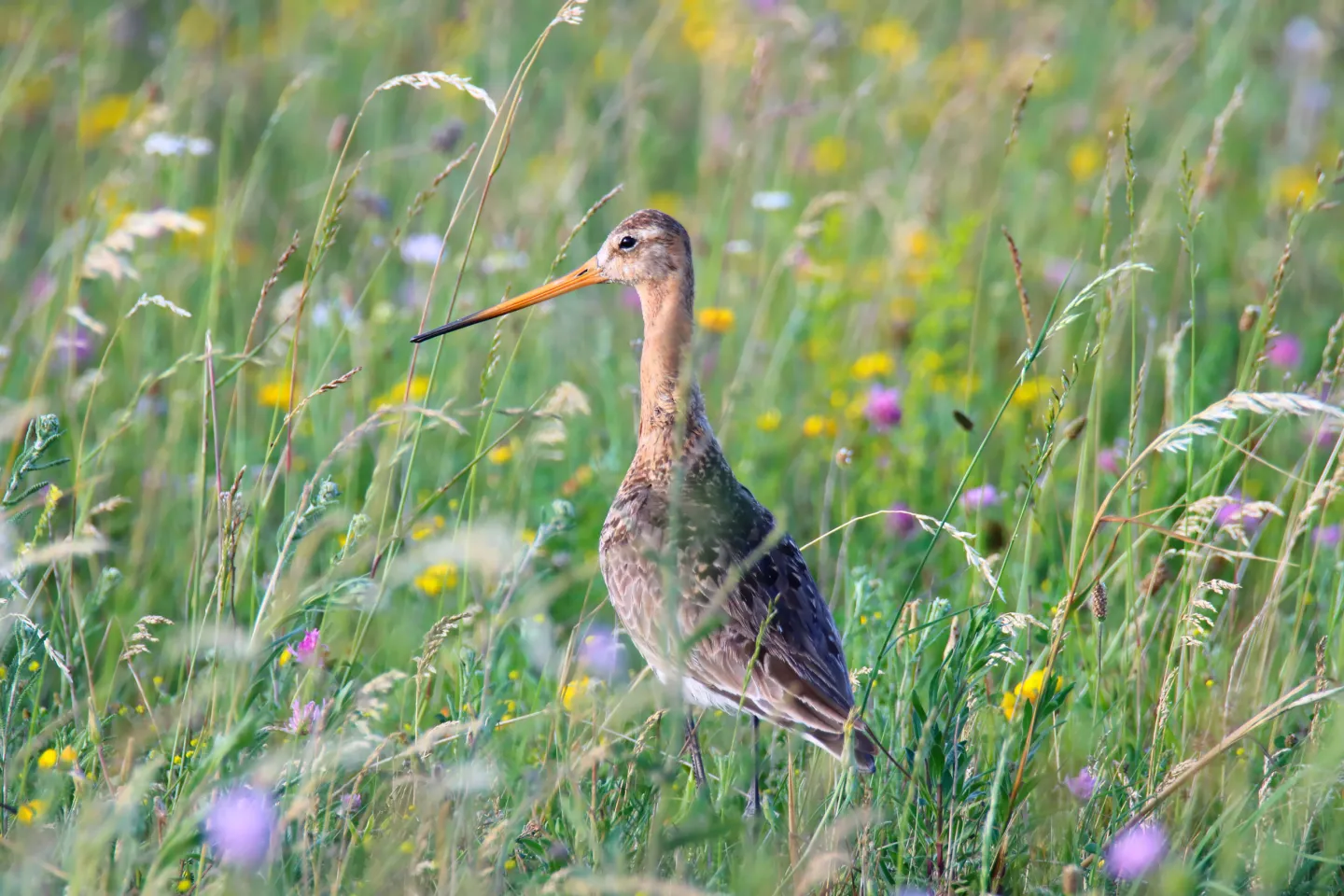
International research shows that biodiversity is declining at an alarming rate. Since 1970, populations of wild animals have decreased by an average of around 60% worldwide. Similar trends are visible in Europe and the Netherlands: species that were once common, such as black-tailed godwits or skylarks, have become scarce. Forty percent of species in the Netherlands are now on the Red List, meaning they may soon disappear from the country. Meadow birds and pollinators such as bees and butterflies are particularly affected.
Genetic diversity is also shrinking rapidly. Of the thousands of plant and animal species once used as food, only a handful of crops and breeds now form the basis of our diets. Globally, about two-thirds of our food comes from just nine crop species. Moreover, variation within plant and animal species is often limited. Rice, wheat and maize alone provide half of the world’s calories. This narrowing of diversity makes food systems more vulnerable to disease and pests. For example, a devastating disease now threatens the global banana industry because of monoculture: the Cavendish banana dominates, and a lack of resistant, genetically diverse varieties leaves millions of small farmers in Africa, Asia and Latin America exposed.
Consequences for people and society
The loss of biodiversity directly undermines the natural systems on which human life depends. Fewer species mean less resilience: ecosystems become less capable of coping with drought, flooding or disease, putting food security, water quality and climate stability at risk.
Damaged ecosystems also increase health risks, as intact nature often acts as a natural barrier against infectious diseases. The social and cultural functions of nature are also under pressure. People derive wellbeing, relaxation and a sense of identity from green, healthy environments; their loss diminishes quality of life.
Biodiversity therefore affects all parts of society – from local communities that directly depend on natural resources to urban residents who benefit from healthy surroundings.
International policy and frameworks
The urgency of addressing biodiversity loss has led to major international agreements. The Kunming–Montreal Global Biodiversity Framework (2022) sets ambitious goals, including protecting 30% of land and sea by 2030, halting species extinction and restoring ecosystems. The framework supports a long-term vision for 2050: a world where biodiversity is valued, conserved, restored and used sustainably, in harmony with human wellbeing.
These objectives are closely aligned with the United Nations Sustainable Development Goals (SDGs). SDG 14 (Life Below Water) emphasises the protection and sustainable use of oceans and marine resources. SDG 15 (Life on Land) focuses on the protection, restoration and sustainable management of terrestrial ecosystems and biodiversity.
Both goals make clear that conserving nature is a prerequisite for sustainable global development. The loss of species and genetic diversity has already exceeded the planet’s safe operating limits. Around the world, countless initiatives—from governments and NGOs to local communities and scientists—are working to reverse the trend. Safeguarding biodiversity is both a collective responsibility and a vital condition for a liveable future.
Sources: United Nations Sustainable Development Goals: Goal 14 | Department of Economic and Social Affairs, Goal 15 | Department of Economic and Social Affairs

What causes the loss of biodiversity and resilient ecosystems?
Human pressure on the environment
The decline in biodiversity is largely the result of human activity. Industry, agriculture, urbanisation and transport exert intense pressure on the environment through factors such as pesticide use, nutrient surpluses, nitrogen emissions, groundwater extraction and pollution. These pressures degrade ecosystems and reduce species richness and genetic diversity.
The role of agriculture and the food system
Worldwide, agriculture is the main driver of biodiversity loss. It is responsible for nearly 80% of deforestation, 70% of terrestrial and 50% of freshwater biodiversity loss, and roughly one-third of global greenhouse gas emissions. At the same time, the food system itself is becoming more vulnerable: drought, soil degradation and the disappearance of pollinators undermine yield stability.
Source: Nature-positive futures: Food systems as a catalyser for change - Wageningen University & Research
Pesticides and nutrient surpluses from fertilisers
The use of pesticides and fertilisers contributes to the depletion of nature. Chemical crop-protection products disrupt soil life and harm insects and birds. Excess nutrients from fertilisers and waste streams entering waterways reduce the diversity of plant and animal species.
Key pressures in the Netherlands
In the Netherlands, nitrogen deposition and drought are the greatest threats to terrestrial biodiversity. Nitrogen from agriculture and traffic leads to nutrient surpluses, allowing a few species – such as nettles and brambles – to dominate while others disappear. Groundwater extraction worsens drought, which is further intensified by climate change. Both factors create poor growth conditions for many plants and animals. In the North Sea and Wadden Sea, the main pressures come from human activities such as fishing (including bottom-trawling), sand extraction and shipping, as well as climate change and the introduction of non-native species.
Climate change as an amplifying factor
Climate change and biodiversity loss are closely intertwined. Rising temperatures, shifting rainfall patterns and extreme weather events increase pressure on ecosystems. It is estimated that a 2.7°C rise in global temperature could threaten around 5% of species worldwide with extinction; at 4.3°C this could reach nearly 15%. Ecosystems then lose key functions such as carbon storage and water regulation, which in turn accelerates climate change.
Source: Climate change extinctions | Science
Interconnected pressures and the need for change
These pressures reinforce one another. Intensive agriculture and groundwater extraction make ecosystems more vulnerable to climate change, while pollution further reduces resilience. The result is a cascade of effects that harms both nature and people. Restoring biodiversity therefore requires a substantial and lasting reduction in these pressures. This will demand major efforts from agriculture, industry, transport and society as a whole.
Theme Biodiversity and resilient ecosystems
The interaction between plants, animals and ecosystems keeps our environment healthy, nutritious and resilient. How do we preserve that balance?
Follow Wageningen University & Research on social media
Stay up-to-date and learn more through our social channel.